
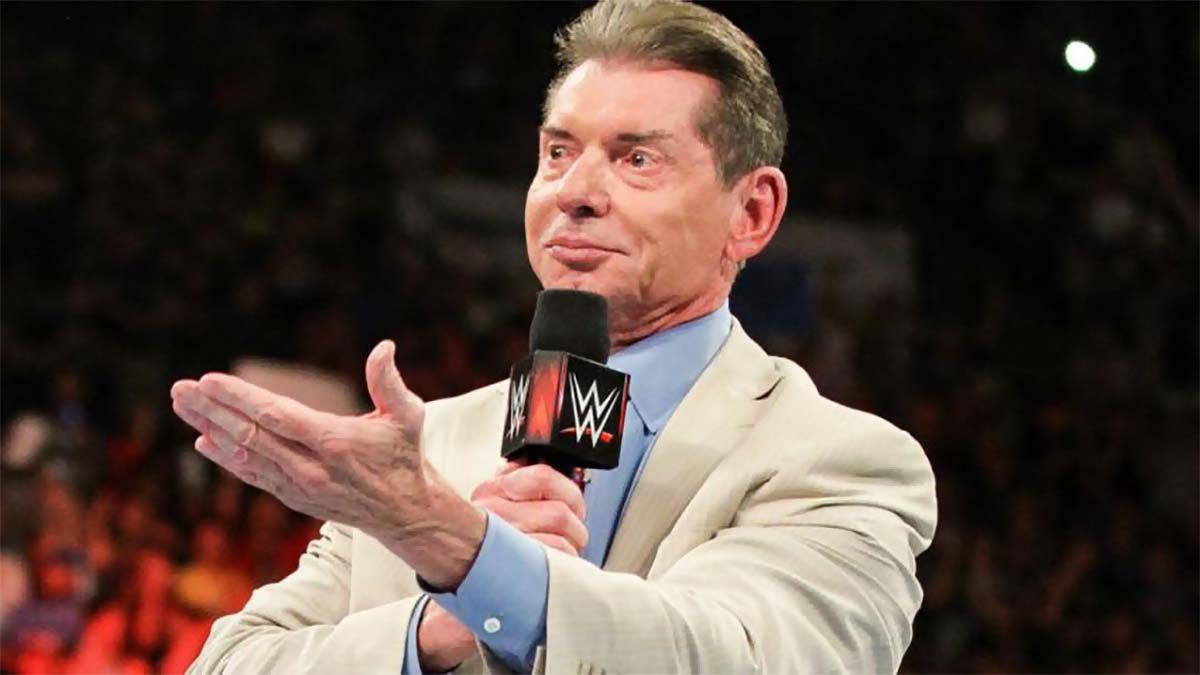
The rising cost of attending a live WWE event has become a recurring frustration for many fans, a sentiment that has only grown louder since the TKO takeover. Yet, according to one Hall of Famer, the man many would expect to blame for a corporate mindset might actually have been the fans’ biggest ally in this matter: Vince McMahon.
Speaking on Busted Open Radio, Bully Ray argued that the former WWE Chairman would never have allowed the company to price its own audience out of attending shows. He contrasted this with the current TKO-led era, which he believes does not follow a “family-friendly” approach to ticketing.
Bully detailed his reasoning, describing pre-TKO WWE as a fundamentally different business despite its size.
“This might blow your mind if you don’t already know: Vince McMahon would never do this. As big as WWE was, even as a publicly traded company, it was nothing more than a glorified mom-and-pop fruit stand. It was run by Vince, Linda, Stephanie, Shane, and obviously Hunter, you know, marrying into the family. Once Vince understood the old-school way of promoting pro wrestling—how to put asses in seats and how important house shows were, on par with the bigger events—that mentality stuck. Does Hunter understand and know that mentality? Absolutely. However, now that TKO is involved, I don’t believe TKO is family-friendly, because of what you just said: people popping all at the same time. And then one night, for some reason, only 19,999 pop. And that’s the night you’ve got to worry about. Eventually, they’re going to go, ‘Whoops, we charged 100 last time and sold out. We charged 150 this time and we’re only at 95 percent full. Why? Is it the strength of the creative? Is it who’s on top? Or can people no longer afford this ticket?’”
Bully Ray also drew a clear line between TKO’s corporate influence and Triple H’s wrestling philosophy. He acknowledged that while Hunter fully understands the old-school mindset Vince valued, the company’s new ownership operates with a different, more analytical approach.
In the end, Bully framed the issue as a matter of priorities: the traditional focus on filling arenas versus a modern business model that risks pushing ticket prices beyond the reach of the very fans the product depends on.